Kilim rugs have a distinctive place in interior design because they combine traditional weaving techniques with bold visual expression. Their flatwoven construction, geometric motifs, and varied color palettes make them adaptable to many decorating styles. Whether you are furnishing a traditional home or adding warmth to a contemporary space, a carefully selected Kilim rugs can provide an attractive foundation.
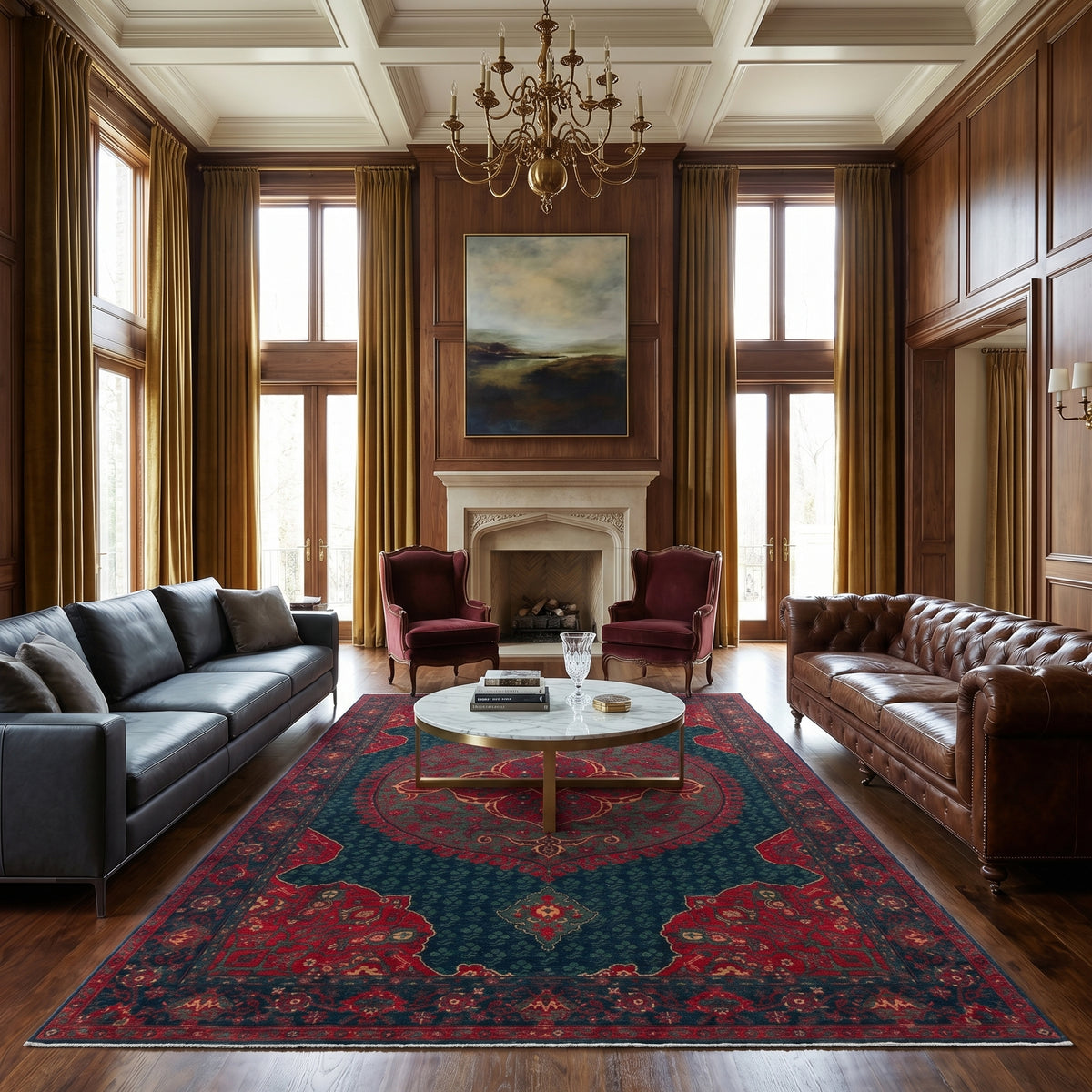
Understanding the Beauty of Kilim Rugs
Unlike conventional pile rugs, Kilims are typically created through flatweaving. Instead of tying individual knots to create a raised surface, artisans interweave colored yarns into the foundation to form the design.
This technique produces a relatively thin and lightweight rug with a distinctive woven appearance. The construction is one reason Kilims can work particularly well in spaces where a low-profile floor covering is preferred.
A Tradition of Regional Craftsmanship
Kilim weaving has developed across several regions, including Turkey, Iran, the Caucasus, and surrounding areas. Different communities have developed distinctive approaches to color, composition, and motifs.
Traditional designs may feature diamonds, zigzags, stripes, geometric borders, stylized floral shapes, and other repeated elements. These characteristics make Kilims diverse rather than uniform.
When buying a traditional or handmade Kilim, learning about its weaving tradition can make the selection process more interesting and meaningful.
Choosing the Right Size for Your Home
The ideal size depends on the room and furniture arrangement. Begin by measuring the area where the rug will be placed.
A large Kilim can anchor a living room seating arrangement, while a smaller piece can sit beneath a coffee table or accent chair. Long runners are useful for hallways and entrances.
For dining rooms, make sure the rug extends far enough around the table so chairs remain on the rug when pulled outward. In bedrooms, decide whether you want the rug to extend beneath the entire bed or simply provide coverage around the sides.
Materials and Their Characteristics
Wool is frequently associated with traditional Kilim weaving because it offers durability and a naturally comfortable texture. Other materials may also be used depending on the specific rug and weaving tradition.
The material affects how the rug feels, performs, and should be cleaned. Before purchasing, check the fiber composition and consider whether it suits the location where you intend to use it.
A rug placed in a busy hallway may require different characteristics from one displayed in a low-traffic bedroom.
Finding a Color Palette That Works
Traditional Kilims are often recognized for rich combinations of red, blue, orange, brown, cream, and earthy tones. Modern designs may use muted neutrals, soft pastels, or monochromatic palettes.
A colorful Kilim can become the focal point in a room decorated with neutral furniture. Meanwhile, a subdued design can introduce texture without overwhelming the existing décor.
Consider the room's flooring, furniture, wall colors, artwork, and accessories when choosing the rug's palette.
Exploring Geometric Patterns
Geometric designs are a defining characteristic of many Kilims. Diamonds, triangles, stripes, zigzags, and angular borders can create a strong sense of movement across the surface.
Pattern selection should depend on the rest of your interior. A room with simple furniture can accommodate an intricate Kilim, while a heavily patterned room may benefit from a simpler design.
The scale of the motifs also matters. Large patterns can create a dramatic statement, whereas smaller motifs can produce a more detailed and understated effect.
Kilim Rugs and Persian-Inspired Décor
Kilim rugs can fit naturally into Persian-inspired interiors because both design traditions often celebrate craftsmanship, traditional motifs, and expressive color.
A Kilim can also be layered with other traditional rug styles. Combining different textures and patterns can add depth when the colors have a cohesive relationship.
The contrast between a flatwoven Kilim and a thicker rug can create an interesting visual hierarchy within a room.
Kilim Rugs in Contemporary Interior Design
Modern decorating does not require modern rugs. Kilim patterns can provide an attractive contrast against clean-lined furniture and minimalist architecture.
A bold geometric Kilim can add personality beneath a neutral sofa, while a muted version can provide subtle texture in a contemporary bedroom or office.
This combination of traditional craftsmanship and modern surroundings creates an interior that feels distinctive rather than overly matched.
Ideal Areas for Kilim Rugs
Their flat profile makes Kilims versatile throughout the home. They can be used in:
- Living rooms
- Dining areas
- Bedrooms
- Hallways
- Entryways
- Home offices
- Reading corners
- Kitchens
When placing a Kilim in a high-use area, pay close attention to its construction, material, condition, and suitability for frequent traffic.
Simple Kilim Rug Care
Regular maintenance can help preserve the rug's appearance. Gentle vacuuming can remove surface dust and loose debris without unnecessarily stressing the fibers.
Rotating the rug periodically can help distribute wear. Avoid extended exposure to intense direct sunlight, particularly if the rug contains naturally dyed fibers.
For spills, act promptly and follow cleaning recommendations appropriate for the material. Antique, delicate, or valuable Kilims should be handled carefully and may require professional cleaning.
Using a Rug Pad Beneath a Kilim
A rug pad can be especially useful on smooth flooring. It can help reduce sliding and provide additional support beneath the flatwoven rug.
A pad can also reduce friction between the rug and floor, potentially helping preserve both surfaces.
Select a pad appropriate for your flooring and make sure it is slightly smaller than the Kilim so that it remains concealed.
Kilim Rug Buying Checklist
Before purchasing, examine the following:
- Size: Measure the room and furniture arrangement.
- Material: Choose a fiber suitable for the intended location.
- Construction: Understand the flatwoven structure.
- Pattern: Select motifs that complement your interior.
- Color: Consider the entire room's color palette.
- Condition: Inspect for stains, repairs, loose threads, and wear.
- Craftsmanship: Look closely at the quality of the weaving.
- Maintenance: Understand the recommended cleaning process.
- Placement: Check clearance around doors and furniture.
- Stability: Consider adding a suitable rug pad.
Conclusion
Kilim rugs combine practical flatwoven construction with distinctive patterns and centuries-old textile traditions. Their versatility allows them to complement everything from traditional interiors to modern minimalist spaces.
When choosing one, look beyond appearance and consider its dimensions, materials, construction, condition, color, pattern, and maintenance requirements. A thoughtfully selected Kilim can add warmth, texture, cultural character, and visual interest to your home while serving as a beautiful foundation for the surrounding décor.